10 June 2026
How to get omega 3 from food - DHA, EPA and ALA for vegans

If you eat consciously and perhaps live vegan, you know that omega 3 is super important for your health. We all need omega 3, and most of us don’t get nearly enough of it.
What is omega 3?
Omega 3 is an essential group of polyunsaturated fatty acids. Omega 3 fatty acids are crucial for heart, brain, eye and immune system health. Because our bodies can’t produce omega 3 on their own, it’s especially important to get enough through your diet.
What is the difference between ALA, EPA and DHA?
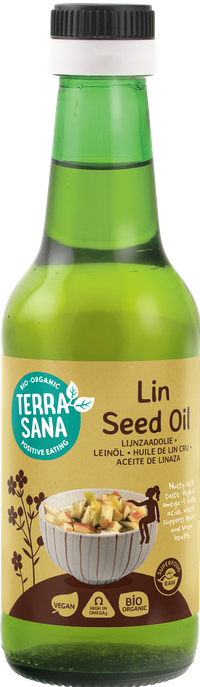
The three main types of omega 3 fatty acids are eicosapentaenoic acid (EPA), docosahexaenoic acid (DHA) and alpha linolenic acid (ALA). While EPA and DHA are mainly found in algae and fatty fish such as salmon, mackerel and herring, you’ll find ALA mainly in flaxseed, chia seeds, hemp seeds and walnuts.
ALA may be a plant powerhouse, but it works slightly differently from DHA and EPA. Your body needs to convert ALA into its active forms DHA and EPA to get the full benefits. Eating it with a meal that contains healthy fats helps your body absorb it better.
How much omega 3 do you need per day?
Most experts agree that you need 2,000 to 3,000 mg of omega 3 fatty acids (ALA) per day. However, this also depends on how many foods high in omega 6 you consume. Ideally, you should maintain the perfect balance between these two ‘omegas’ on a daily basis. More on that later.
If you do not pay close attention to your omega 3 intake, chances are you are not getting enough omega 3 on a daily basis. Taking supplements (fish oil or algae oil) is therefore not a bad idea. If you follow a plant-based diet, make sure you get both ALA and EPA and DHA. ALA can be found in seeds and nuts, while EPA and DHA come from algae (oil). The recommended daily intake of EPA/DHA is 400 to 500 mg.
The balance of omega 3 6 9
It’s very difficult, almost impossible, to balance the three omegas perfectly. We generally eat too many foods high in omega 6, think vegetable oils and processed products. If you want to fix this, make sure you take extra omega 3 when you’ve eaten a lot of omega 6 foods.
Most experts recommend roughly a 1 to 1 ratio between omega 3 and omega 6. Omega 9 fatty acids also play an important role in this balance. Omega 9 is mainly found in olive oil, nuts and avocado, and since your body can produce omega 9 itself, it’s considered non essential.
Algae oil is more sustainable and ethical
Algae oil is a great alternative to fish oil, especially if you prefer not to eat fish or live vegan. Fish get their omega 3 fatty acids from algae, so instead of eating fish, you can go straight to the source. This way you get the same healthy EPA and DHA without the middle step.
On top of that, algae oil is more sustainable and ocean friendly, as it doesn’t contribute to overfishing or harm marine life. So it’s better for you and for the planet.
How do you get omega 3 from food?
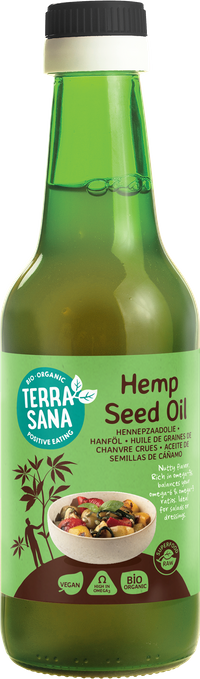
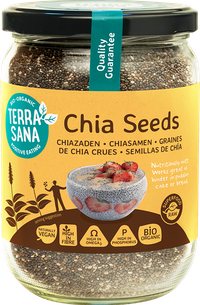
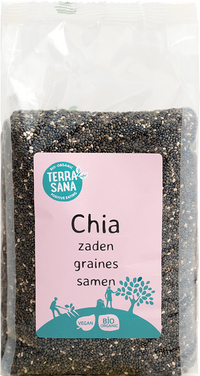
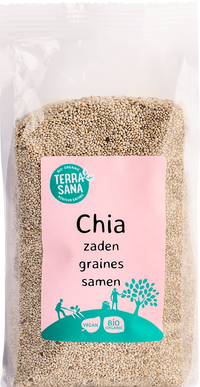
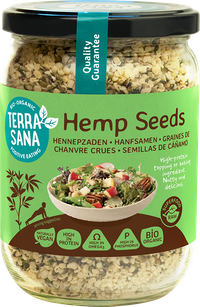
Getting omega 3 from food is quite easy if you eat fish or seafood, fatty fish is by far the richest source. But if you’re vegan or eat plant based, you’ll need to rely on flaxseed, hemp seeds, chia seeds and walnuts. How much omega 3 is in these seeds? Quite a lot. Check it out:
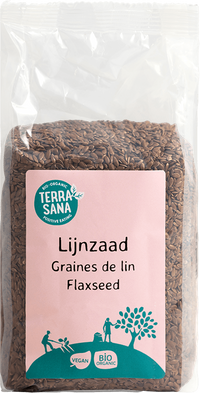
- Flaxseed: 22814 mg ALA per 100 grams
- Hemp seeds: 21429 mg ALA per 100 grams
- Chia seeds: 17554 mg ALA per 100 grams
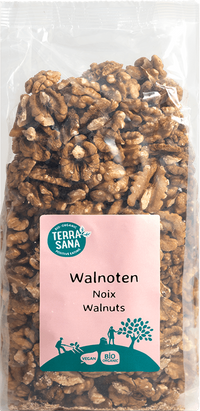
- Walnuts: 9079 mg ALA per 100 grams
Now you may be thinking, if algae are high in omega 3, what about seaweed? Isn’t there a lot of omega 3 in seaweed too? Unfortunately not. Seaweed only contains minimal amounts, usually just a few dozen milligrams per 100 grams.
Omega 3 bread: the practical solution if you eat vegan
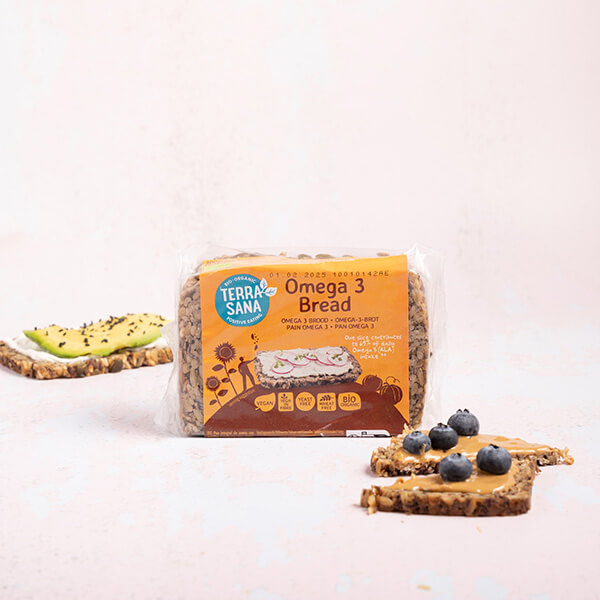
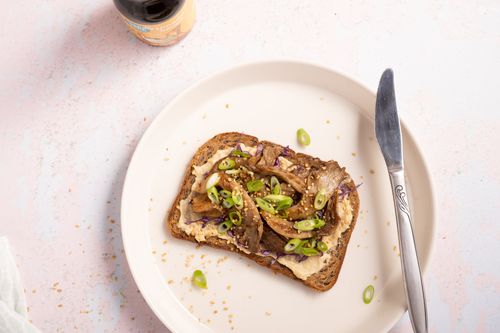
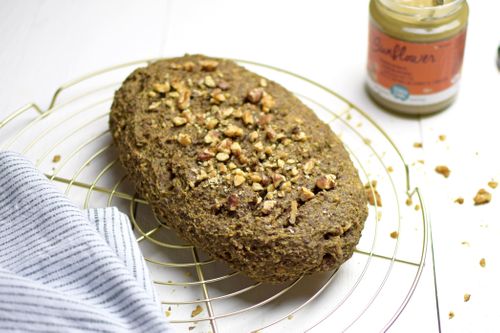
As a plant based company, we believe innovation is key when it comes to vegan food. We want the best for our bodies and for vegans. That’s why we developed a delicious seed bread packed with omega 3. One slice contains about 70 percent of the recommended daily amount, based on a 2000 kcal diet. The omega 3 comes mainly from flaxseed and to a lesser extent from chia seeds. This bread makes it super easy to get your daily omega 3 boost.
If you’re someone who checks ingredient lists before buying, same here. When we make a product, we keep the ingredient list as short and clean as possible. No junk, no unnecessary ingredients. Our omega 3 bread is made from oats and seeds, apple cider vinegar, psyllium fiber and sea salt. Pure, simple and super tasty. It has a delicious bite, with a nice seed texture, firm yet soft. Perfect for an (o)mega breakfast or lunch.
And the best part? This omega 3 bread has already won an award, a real trophy worthy staple for your kitchen.